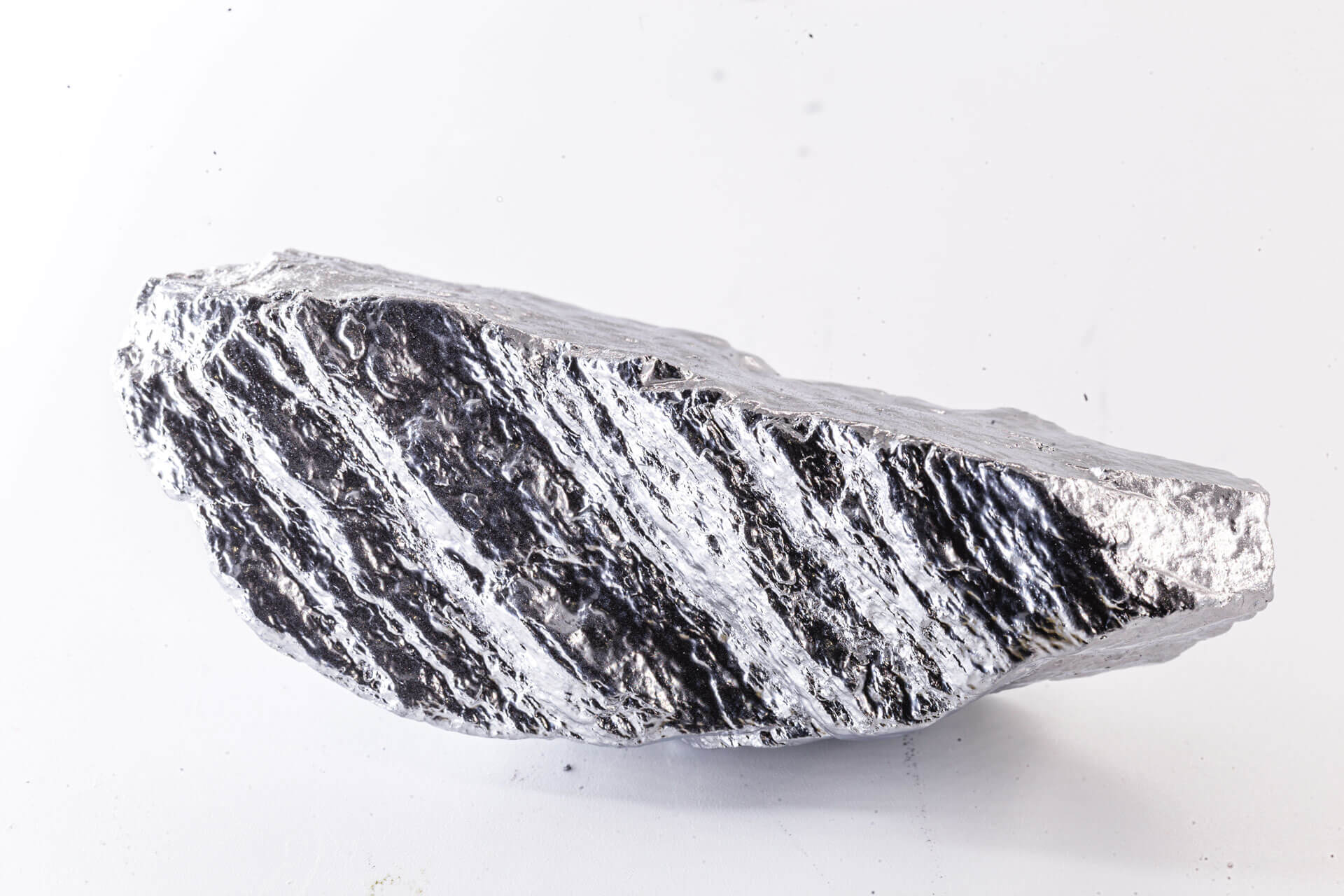
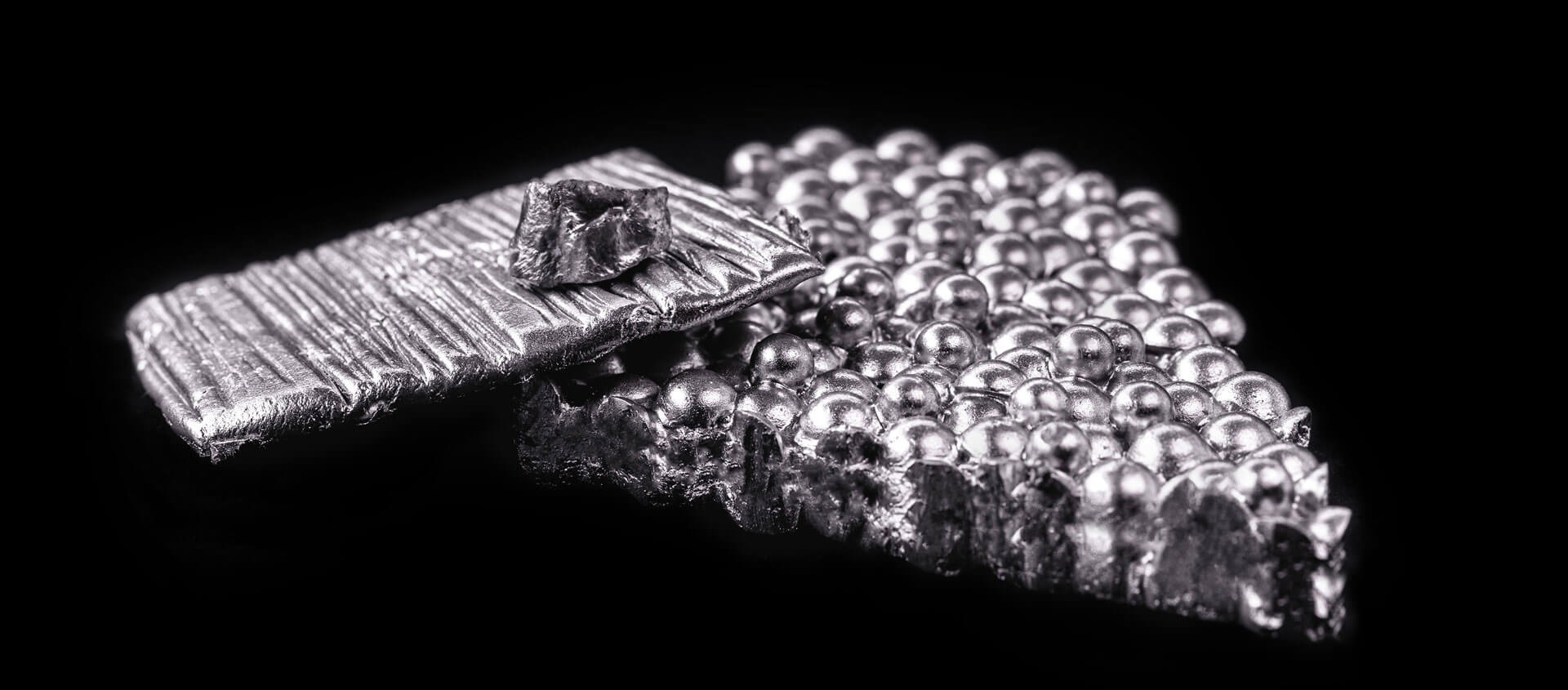
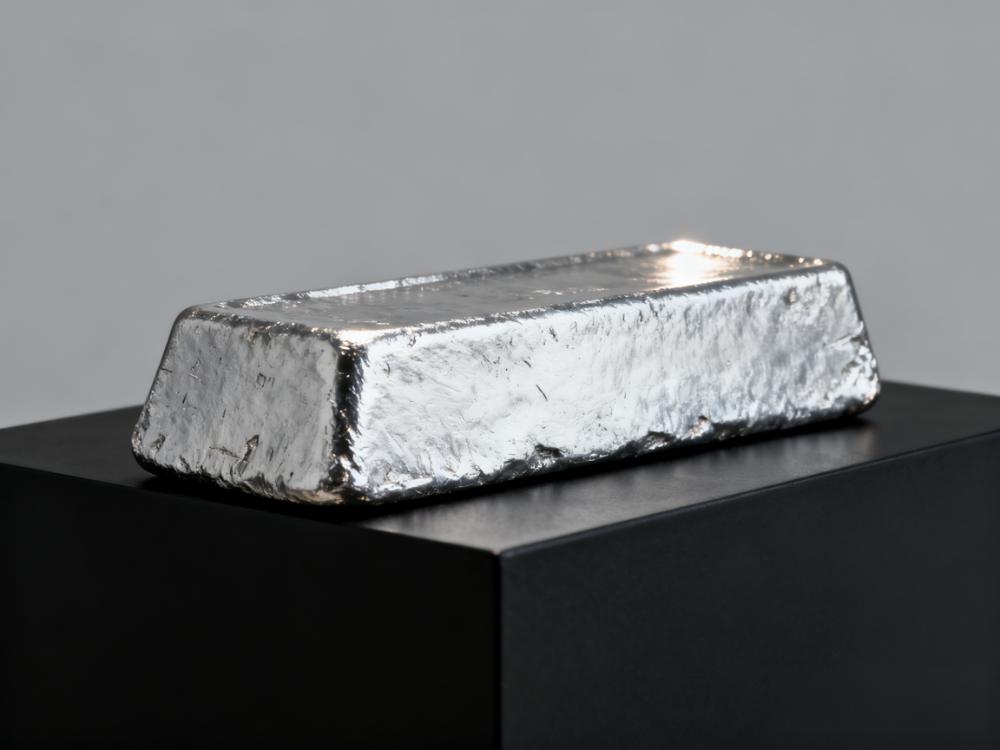
Refined nickel (Ni ≥ 99.8%), with its excellent corrosion resistance, high-temperature stability, superior electrical conductivity, and catalytic activity, has become an indispensable basic material in numerous key industries. The demand landscape for refined nickel is undergoing profound changes, characterized by steady growth in traditional sectors and robust boosts from emerging fields.
I. Traditional Core Application Areas: A Solid Foundation with Resilient Demand
- High-Temperature Alloys and Specialty Alloys
The cornerstone of aerospace and high-end equipment manufacturing. Refined nickel is the core raw material for manufacturing nickel-based and iron-nickel-based high-temperature alloys (such as the Inconel and Hastelloy series), used to withstand extreme high temperatures, high pressures, and corrosive environments. These alloys are characterized by high technical barriers, extreme performance requirements, and high unit value. Driven by the global aviation industry's recovery (new aircraft orders, MRO market), clean and efficient power generation (gas turbines), and increased defense spending, demand is growing steadily. This sector represents one of the highest-value applications for refined nickel.
Application Scenarios:
Aerospace Engines: Hot-end components such as turbine blades, combustion chambers, and nozzles (with the strongest demand rigidity).
Gas Turbines: Core components for power generation (especially for peak shaving and distributed energy) and ship propulsion.
Nuclear Industry: Reactor pressure vessel liners, heat exchange pipes, etc.
- Specialty Stainless Steels
Enhancing corrosion resistance and special properties. Refined nickel is a key alloying element in the production of austenitic stainless steels (300-series, such as 304 and 316) and an important component of duplex steels and super austenitic stainless steels (such as 254SMO). It is closely related to infrastructure development, manufacturing upgrades, and stricter environmental regulations (driving equipment upgrades). Although the total volume of stainless steel is enormous, the proportion of refined nickel added remains relatively fixed. Demand growth is synchronized with the overall production and high-end trends of stainless steel. Sensitivity to nickel prices is relatively lower compared to the battery sector.
Application Scenarios:
Chemical and Petrochemical: Reactors, pipes, valves, heat exchangers (resistant to strong acids, alkalis, and high-temperature media).
Marine Engineering and Ships: Seawater desalination plants, marine pumps and valves, offshore platform structural components (resistant to seawater corrosion).
Energy and Environmental Protection: Flue gas desulfurization (FGD) equipment, nuclear spent fuel handling devices.
Food and Pharmaceuticals: Equipment with high cleanliness requirements.
- Electroplating
Providing excellent decorative, protective, and functional coatings. It is a traditional, large-scale, and widespread application. Facing environmental pressures (such as the substitution of hexavalent chromium driving some nickel demand) and competition from alternative processes (electroless nickel plating, PVD, etc.), demand growth is relatively stable or experiences minor fluctuations, more dependent on manufacturing prosperity and the enforcement of environmental regulations.
Application Scenarios:
Decorative Electroplating: Bathroom hardware, automotive trim, furniture and home appliances (for brightness and wear resistance).
Protective Electroplating: Automotive parts (brake tubes, fasteners), electronic and electrical enclosures, construction machinery components (for corrosion resistance).
Functional Electroplating: Electronic connectors (for conductivity), electromagnetic shielding layers, electroforming (for mold manufacturing).
II. Emerging Growth Engines: Core Drivers of Future Demand
- Hydrogen Energy (Hydrogen Production via Water Electrolysis)
Refined nickel and its alloys (such as nickel mesh and nickel foam) are key materials for electrodes (cathodes) and diaphragms in alkaline water electrolysis (ALK) for hydrogen production. The industry is on the verge of explosive growth. With the advancement of hydrogen energy strategies in various countries and the large-scale expansion of electrolyzer capacities (with GW-level projects emerging), the demand for high-performance, long-life nickel-based electrode materials will surge sharply. Although proton exchange membrane (PEM) electrolyzers use platinum group metals, ALK remains the current mainstream due to its cost and technological maturity, making the demand for nickel clear.
Application Scenarios:
Large-scale green hydrogen projects (in chemicals, steelmaking, and transportation fuels), distributed hydrogen production equipment.
- Electronic Information
There is an extremely high requirement for material purity (high added value). Demand fluctuates with the semiconductor cycle but shows a clear long-term growth trend driven by technological innovation.
Application Scenarios:
Sputtering Targets: High-purity nickel (above 5N) is used in semiconductor chips, display panels (OLEDs), and metal conductors and barrier layers in PV films.
Electronic Components: Nickel alloys are used in resistors, capacitors, connectors, etc.
Electromagnetic Shielding: Nickel-containing materials are used in electronic device enclosures and cable shielding layers.